Latest Stories & Updates
Stay informed with the latest news in emergency response, CPR guidelines, training tips, and stories from our instructors in NYC.
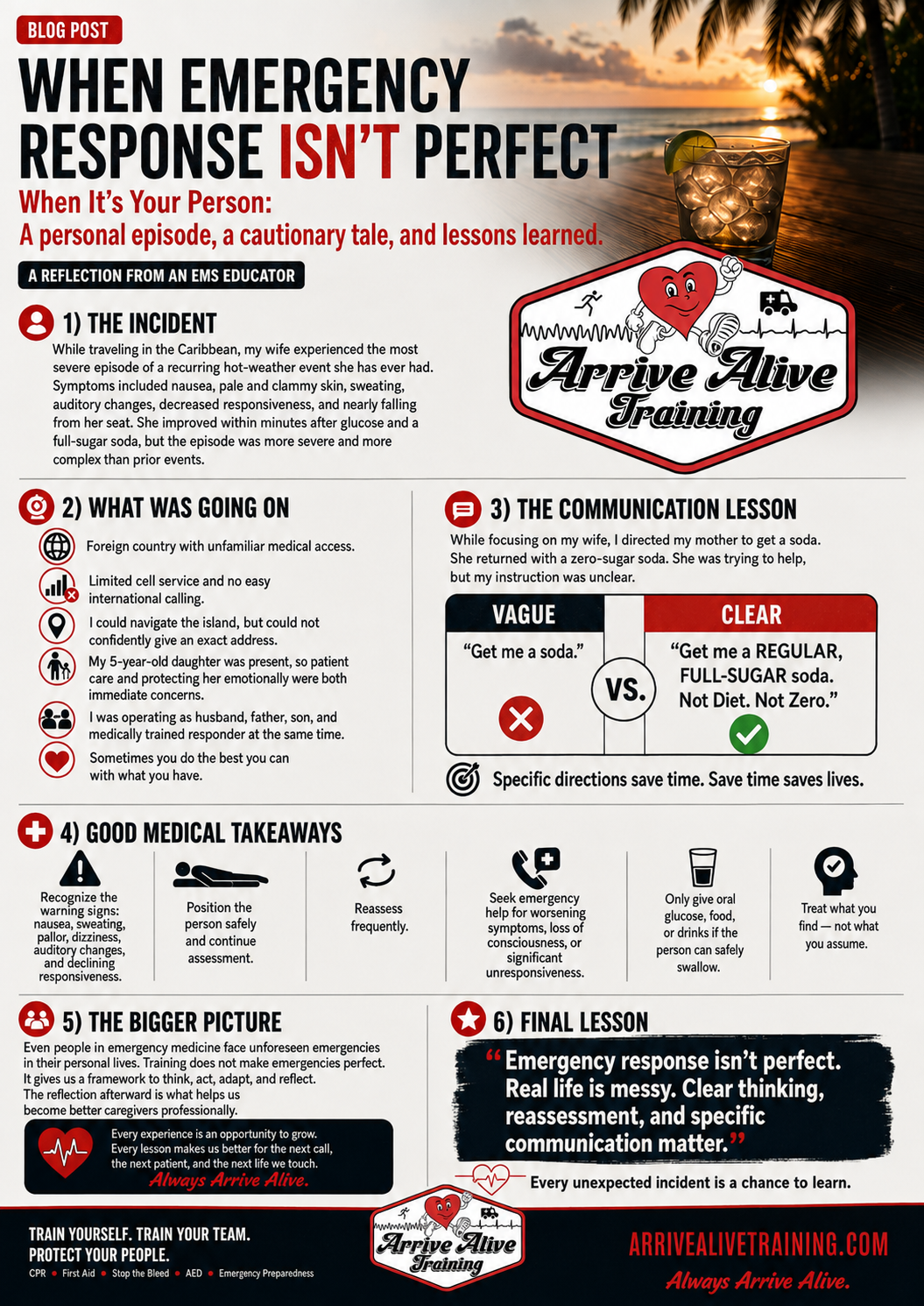
When Emergency Response Isn't Perfect
A personal account of a medical emergency involving someone you love, in an imperfect environment, and the framework that carried me through it.
Active-Violence Preparedness Should Build Options—not Rehearse Fear
Effective active-violence training goes beyond slogans. Learn how organizations connect response options, communication, site planning and lifesaving care into a usable plan.
Fall Changes the Rescue Clock: Why Wilderness First Aid Is More Than Urban First Aid in the Woods
Outdoors, the rescue clock changes. Learn how trip plans, communication, first-aid skills, shelter and evacuation decisions work together when EMS is delayed by terrain, darkness and cold.
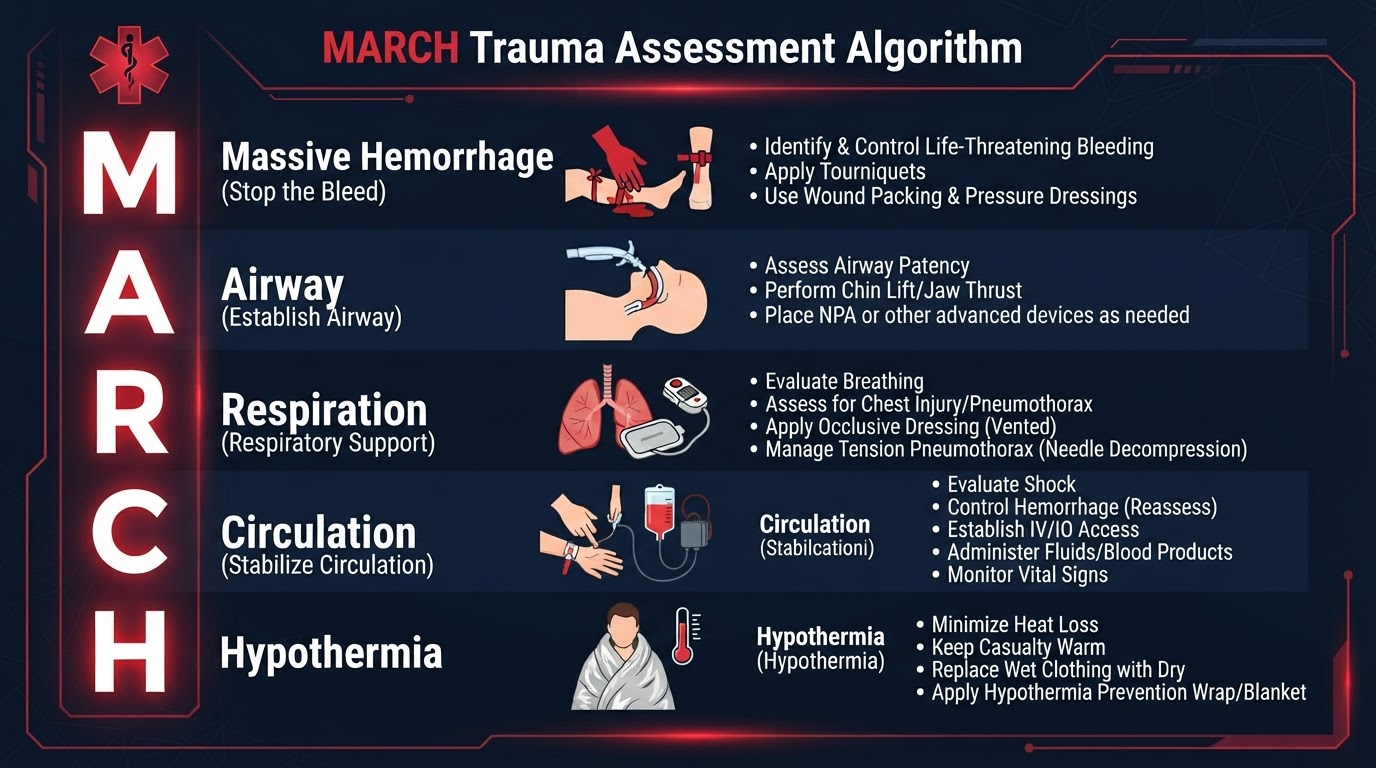
MARCH Is a Framework, Not a License to Freelance
MARCH gives people a way to organize priorities when a serious injury creates confusion. But the acronym only works when paired with appropriate training, honest scope, reliable equipment, and repeated practice.
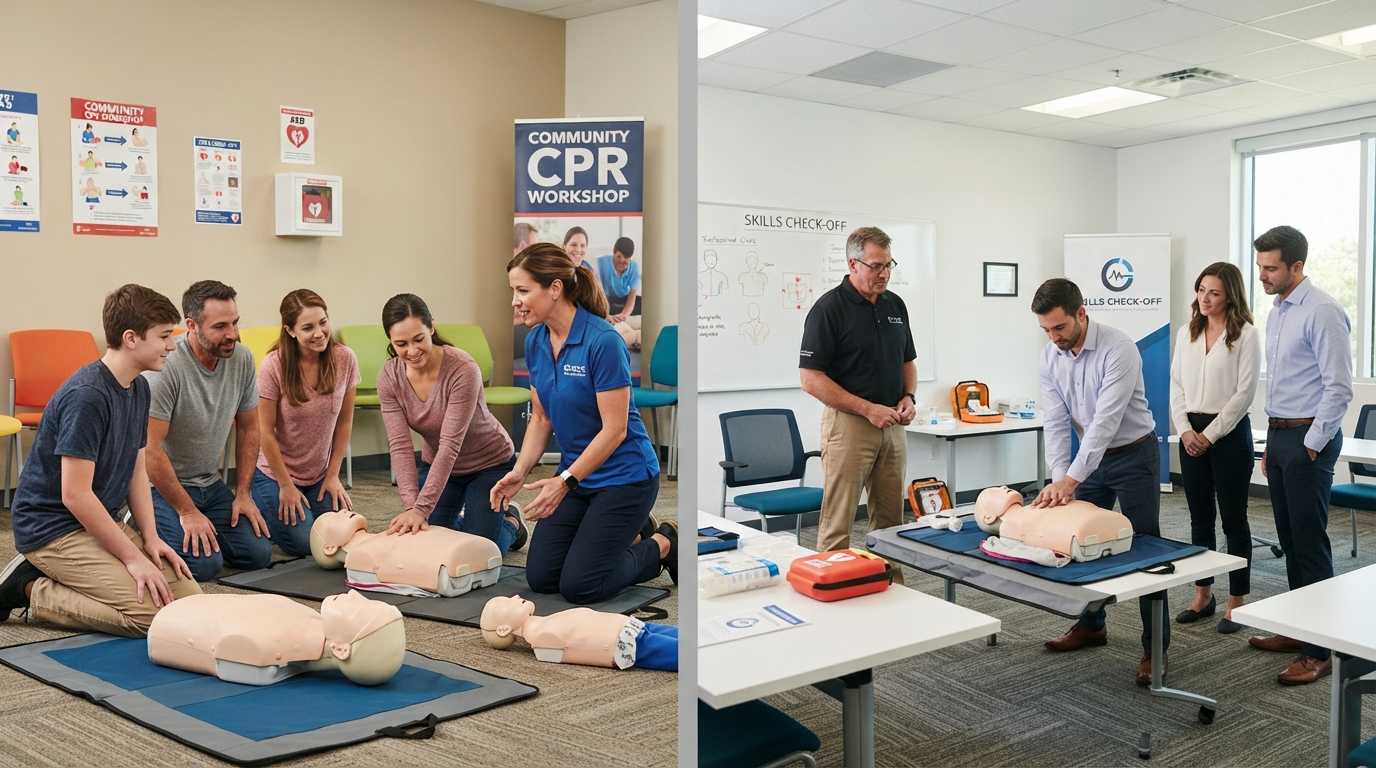
Community CPR Workshop or Certification Course? Choose the Right Training Before You Book
Before you book, answer one question: Do you need practical skills, a recognized course completion card, or both? The right CPR class is the one that matches the learner's purpose.
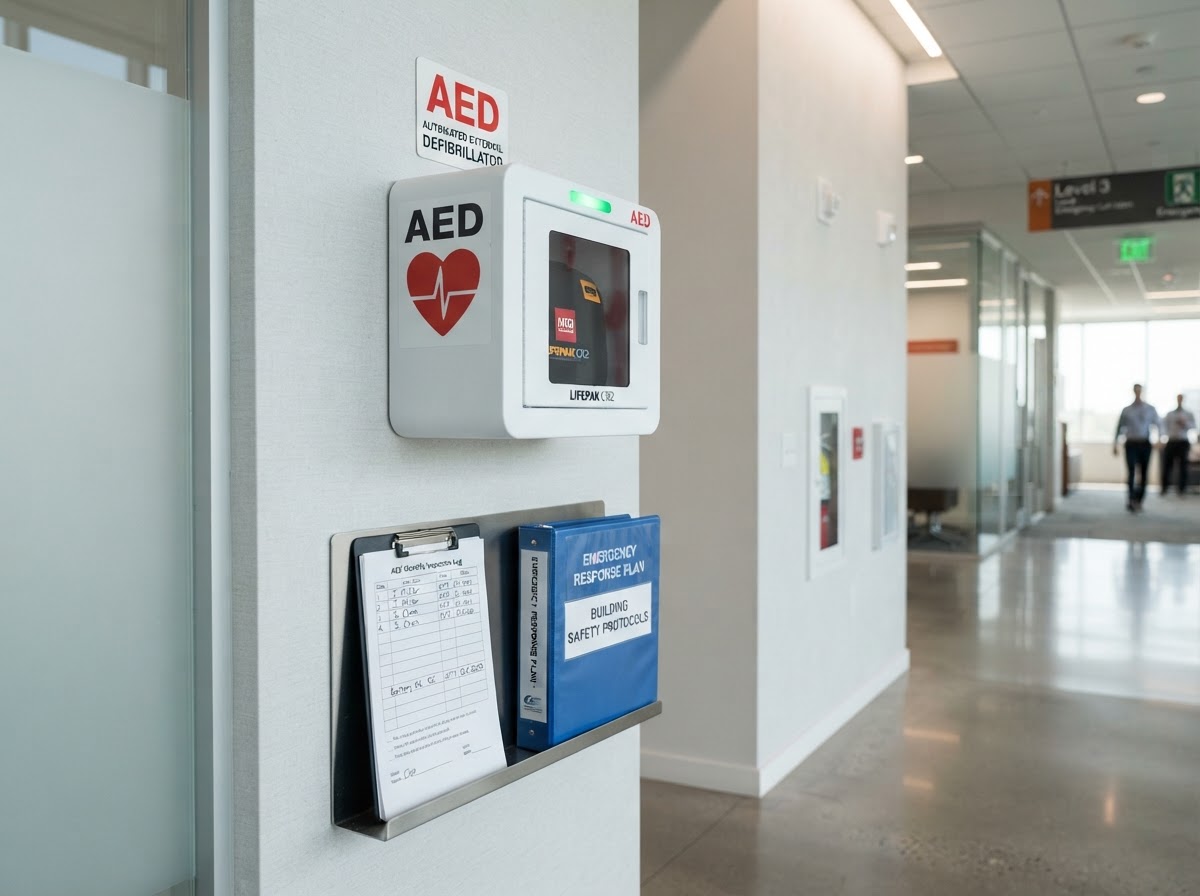
A CPR Card Is Not an Emergency Plan: Seven Questions Every Organization Should Answer This Week
A valid certification card does not automatically mean your workplace is ready for an actual emergency. Here are seven questions every organization should answer to close the gap between training and operational readiness.
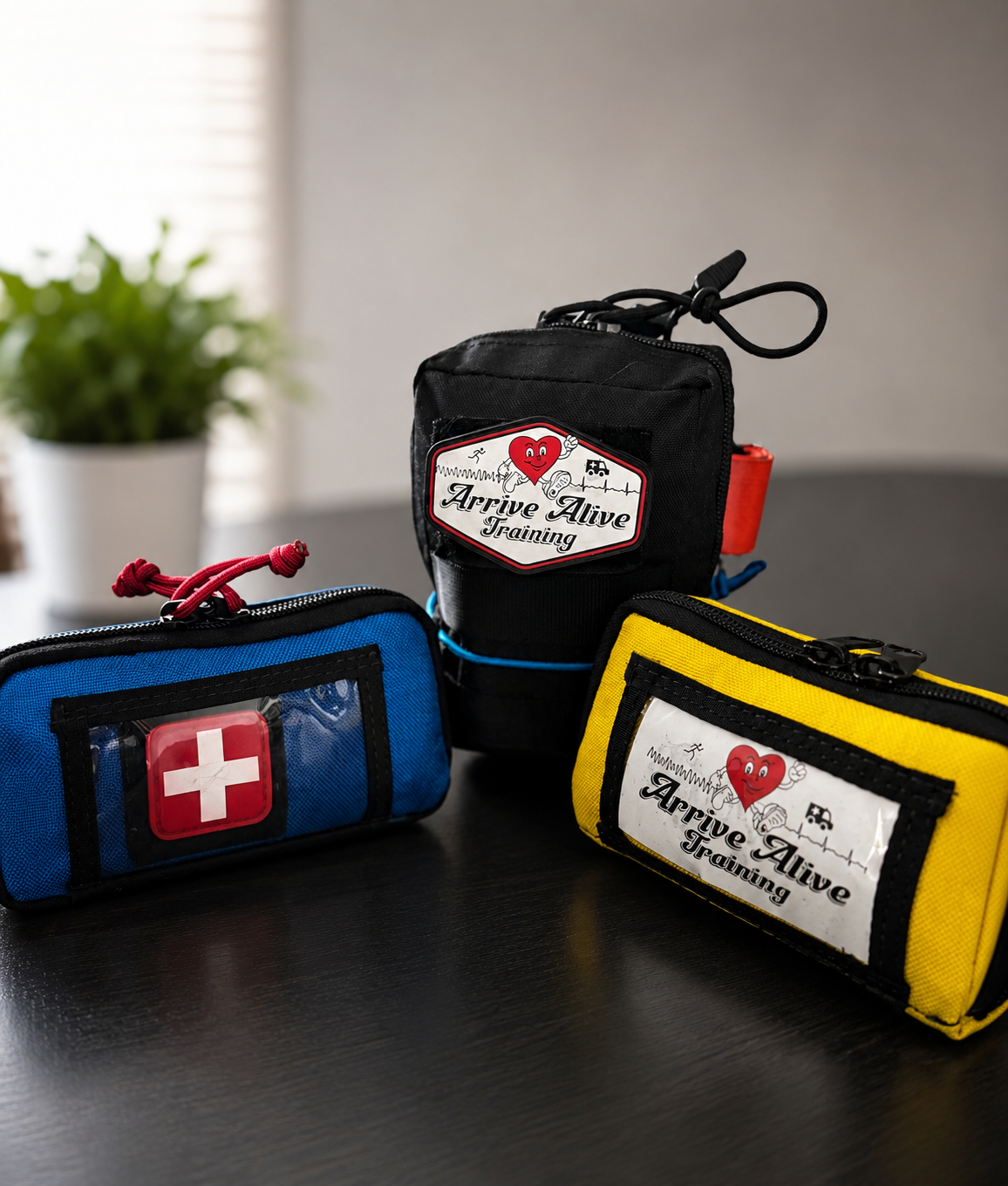
When was the last time you checked your gear?
At work I stopped to speak with some rookie officers, noticing a CAT TQ on one of their holsters I became curious...
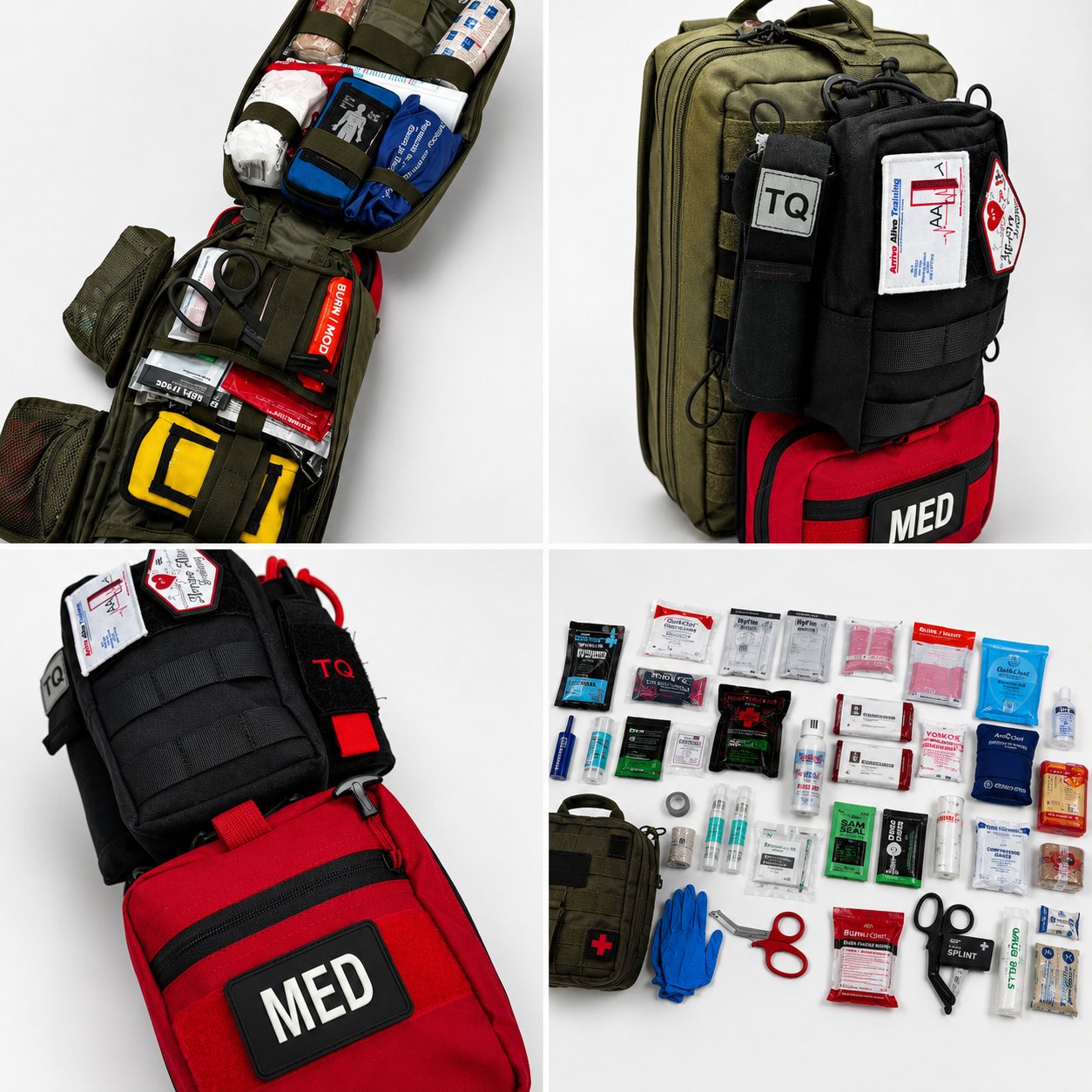
Your Gear Must Be Ready: The Dangers of Environmental Damage
I've been a first responder for years, and time and again I've seen how the smallest oversight can become critical. Environmental exposure can degrade even the most rugged medical gear...
How do you know if you need a certification for your job or business?
Many professions require CPR certifications, whether by OSHA standards or by state and city law. In the world of emergency response, the company you choose to train with matters.
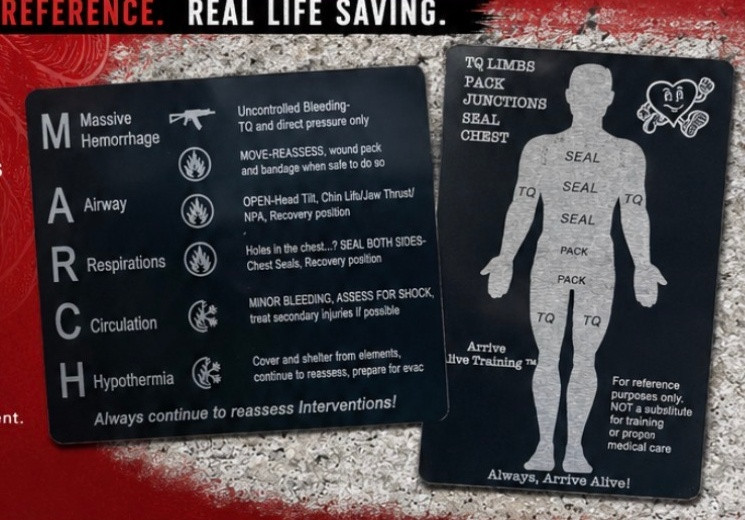
What is the MARCH assessment?
MARCH stands for Massive Hemorrhage, Airway, Respirations, Circulation, Hypothermia. It is a mnemonic that addresses the priority of assessment and treatment of life threatening injuries.